
Explainable AI for production ready materials insight
Reliable Insights helps materials researchers, engineers, and manufacturers turn complex process data into clear, trusted decisions. Our platform applies deterministic, explainable AI to time series and process data, enabling teams to understand what is happening, why it is happening, and what to do next.
We focus on practical deployment in real materials environments — where data is imperfect, processes change, and decisions must be trusted.
The Materials 4.0 challenge
Materials research and manufacturing generate rich, high‑frequency data across laboratories, pilots, and production lines. While AI offers clear potential, adoption has been slower than in other sectors.
The challenge is not a lack of algorithms. It is trust, validation, and deployment in real operational settings.
Engineers and researchers need insight they can understand, validate, and use — not black‑box predictions that fail to survive process change or audit.
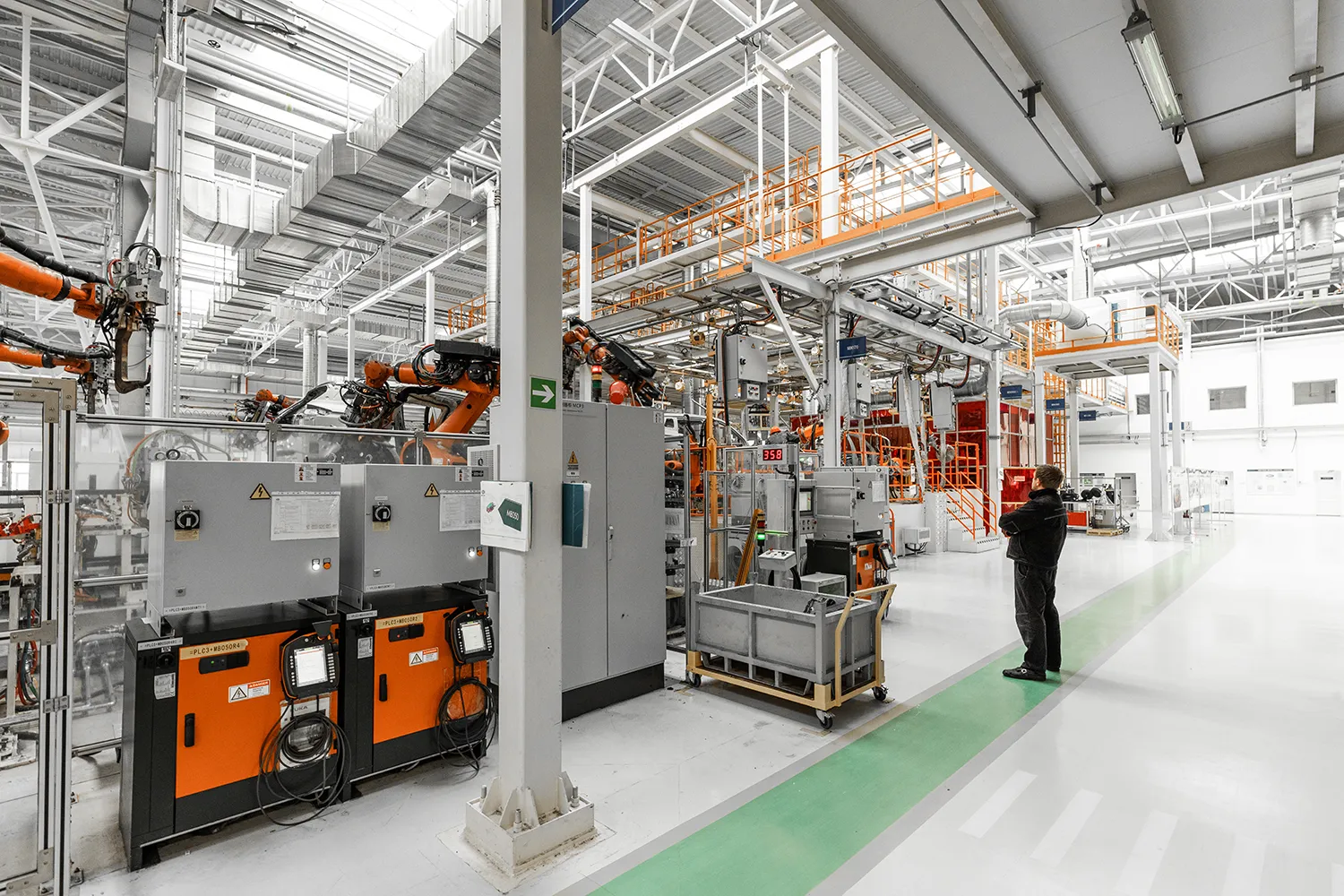
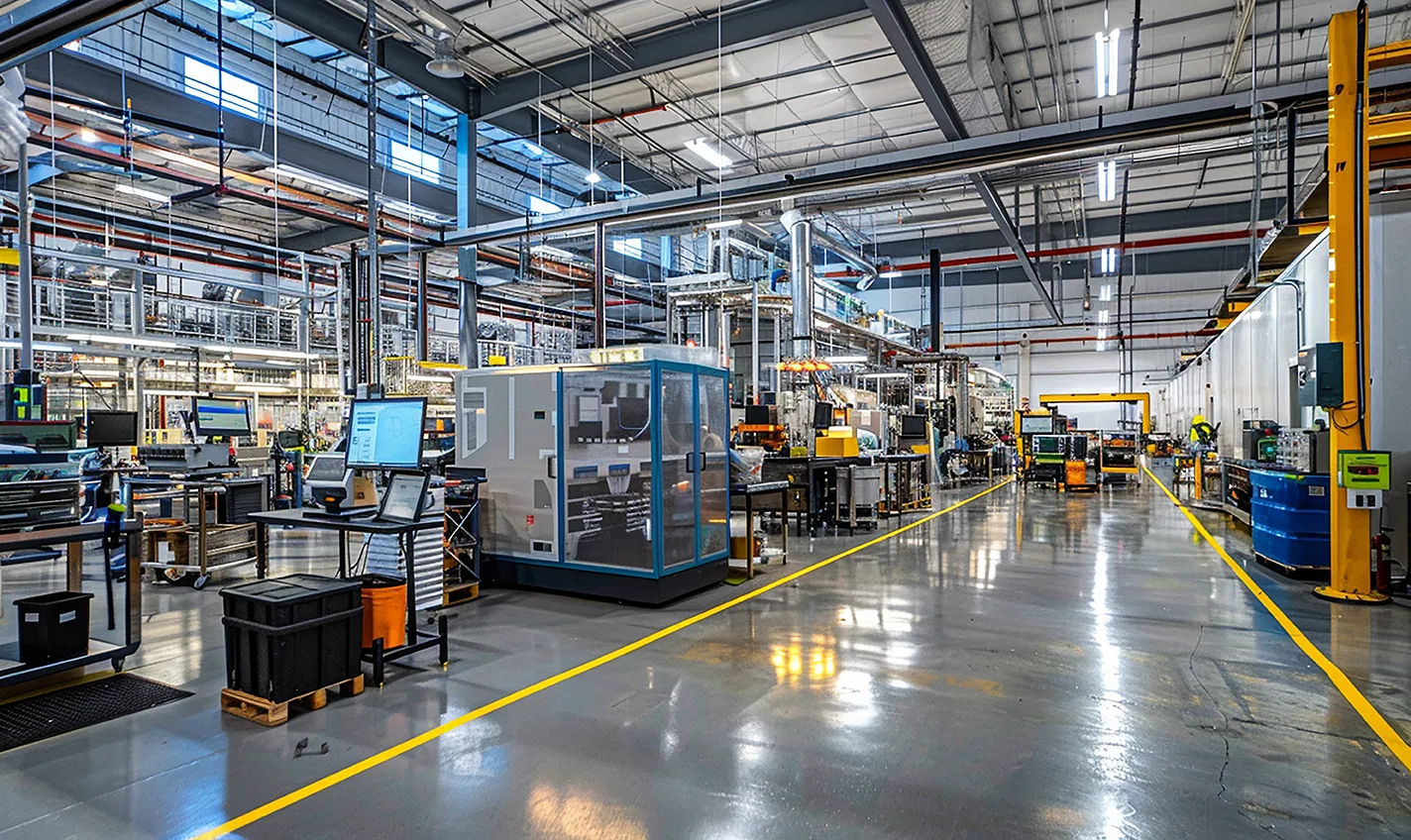
From R&D to production
Many digital pilots fail because ownership remains with data science teams and insights are poorly integrated into operations.
What works is a lightweight, explainable approach that fits alongside existing tools and workflows, with a clear path from insight to action.
Reliable Insights is designed to support this transition — from experimental analysis to repeatable, production‑ready use.
Materials and sustainability
In materials environments, the highest‑impact sustainability gains come from:
- Improving energy efficiency
- Reducing waste and scrap
These gains are realised through prioritised engineering focus and better operational insight, enabling teams to intervene earlier and with confidence.
Collaboration and deployment
Materials 4.0 succeeds when:
- Academia provides insight and methods
- Industry provides real data and operational constraints
Our role is to bridge data and operations, turning advanced methods into intuitive tools that data and domain experts can use directly, at scale.
Use Cases
Use Case: Process stability
Detect early process drift or degradation
Monitor key process parameters in real time to identify deviations from baseline before they impact performance or quality
Use Case: Root cause analysis
Identify drivers of yield, quality, energy use, or waste
Reveal causal relationships within complex operations to support confident, evidence-based operational decisions
Use Case: Batch Variability
Understand variability across batches, lines, or sites
Quantify where differences arise and link them to underlying process, equipment, or environmental factors